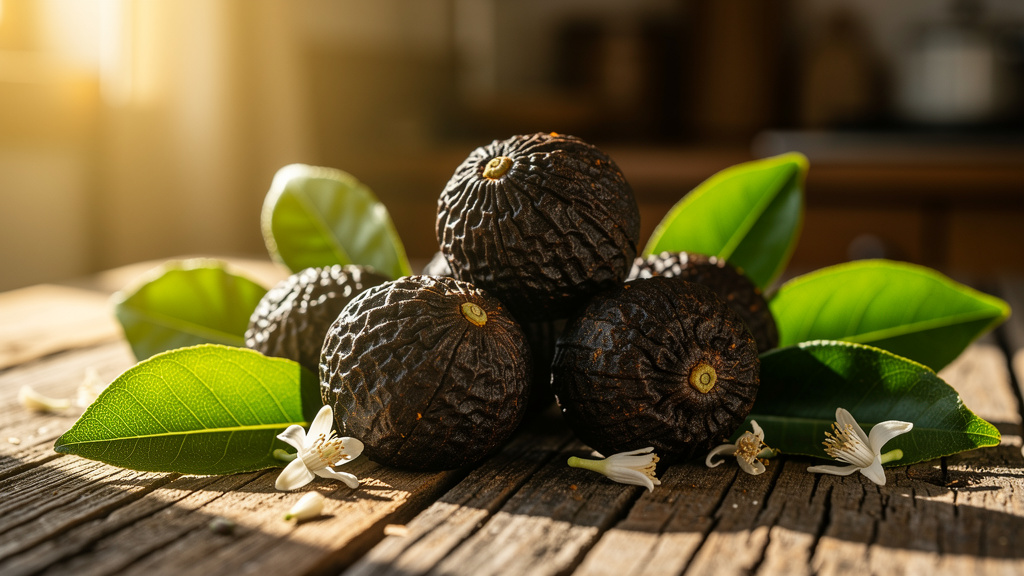
Australian Black Limes: An Innovative Wheatbelt Business
Introduction
Picture a Wheatbelt farmer sitting in the cab of a huge tractor, watching dust rise behind a seeding bar that costs more than many houses. That is Wheatbelt Farming at its most intense. One season’s income is buried in the soil as seed and fertiliser, and everything hangs on clouds that may or may not turn into rain.
Western Australia’s Wheatbelt produces around $3.91 billion worth of agriculture each year, inside a regional economy of about $7.4 billion. Wheat, barley and canola carry most of that weight, along with wool and livestock. Yet each year brings the same pressure. Fertiliser bills, fuel costs and machinery repayments keep climbing, while climate patterns feel less predictable and commodity prices rise and fall without warning.
This is where Australian Black Limes steps into the story. Instead of more broadacre grain, this small business uses dry-aged Western Australian limes and turns them into bold, smoky black limes through natural fermentation, all off‑grid in the Wheatbelt. The result is a high‑value ingredient loved by chefs, restaurateurs and serious home cooks, built on principles of sustainable farming in the Wheatbelt rather than high-input cropping alone.
By following this story, readers see how one farm-driven idea can change what is possible for Wheatbelt Farming. Professional chefs discover a new Australian ingredient with deep flavour. Food lovers and health-focused eaters find a natural, gut-friendly citrus twist. Farmers and business owners see a practical example of value-adding, climate-wise agriculture that fits the future of Western Australia.
Key Takeaways
Before looking at the details, it helps to see the big picture. These points sum up what Australian Black Limes means for food lovers, chefs and Wheatbelt farmers. Each one links flavour in the kitchen back to farming choices on the paddock.
- Australian Black Limes shows how a Wheatbelt farm can step beyond bulk grain and wool into artisan food production. One simple fruit becomes a premium, shelf-stable ingredient with strong demand in professional and home kitchens. That means more value from each hectare, not just more hectares under crop.
- The off-grid fermentation and dry-aging process uses natural conditions rather than heavy machinery and complex processing lines. This lowers input needs, cuts reliance on chemicals and fits neatly with climate resilience goals. It also lines up with regional plans that encourage sustainable farming in the Wheatbelt.
-
Chefs, restaurants and home cooks gain a bold, smoky citrus flavour that is hard to copy with any other ingredient. At the same time, they work with a product that is 100 per cent natural and preservative-free. That combination of flavour and simple ingredients speaks strongly to health-conscious diners.
-
The black lime model turns traditional commodity farming into a story of provenance, craft and innovation. It shows other farmers a path where small-scale, high-value processing can sit alongside, or even replace, broadacre crops. In doing so, it offers one clear pattern for climate-wise Wheatbelt Farming in the years ahead.
Why The Wheatbelt Needs Agricultural Innovation Now

Every seeding season in the Wheatbelt feels like a card game with the sky. Farmers pay for fertiliser, fuel, seed and chemicals months before they know whether the rain will come. A single modern tractor can cost around $500,000, and a seeding bar may be another $300,000 to $400,000. That is a lot of debt rolling slowly across a paddock, especially when margins on wheat or barley can be thin.
If rain does not arrive at the right time, a farmer can be left with almost nothing to harvest. All those inputs disappear into dry ground. Even in good years, global prices for wheat, barley, canola and wool shift sharply. A crop that looked promising on the header can look far less friendly when the cheque arrives from the buyer. Over time, that pressure wears on families and whole communities built around Wheatbelt Farming.
As one long-time Wheatbelt grower puts it, “You only get one harvest a year, but you carry the risk on your books every single day.”
On top of this, climate patterns are shifting. The smell of dust during seeding is common, and many growers talk about later breaks to the season and more variable rainfall. The Wheatbelt Development Commission, through work like the Regional Drought Resilience Plan, is pushing hard for climate-wise practices, better water management and business models that do not rely on one type of crop and one set of weather patterns.
That is why innovation is not a luxury for a $7.4 billion region like the Wheatbelt. It is about keeping towns alive, keeping freight lines busy and keeping farms in local hands. Key shifts include:
- More intensive agriculture on suitable land, so farmers can earn higher returns without constantly expanding their cropping area.
-
More value-adding, where raw produce is turned into premium food products close to where it is grown.
-
More income diversity beyond wheat, barley and canola, so a poor year for one commodity does not sink the whole business.
Australian Black Limes fits this need by showing how a low-input, high-value product can ride on top of existing farm skills and regional freight networks, instead of adding one more broadacre gamble to the list.
What Makes Australian Black Limes A Game-Changer In Wheatbelt Farming
At first glance, a dried lime does not look like it could change much about Wheatbelt Farming. Yet Australian Black Limes does something powerful with a very simple fruit. Sun-ripened WA limes, grown under big skies, are slowly changed through natural fermentation and dry-aging until they become deep brown to black, hollow and intensely aromatic. Crack one open and there is a rush of smoky citrus, tang and gentle bitterness that chefs talk about for weeks.
The production method is just as interesting as the flavour. Instead of relying on 600-horsepower tractors and huge seeding bars, Australian Black Limes works off-grid in the Wheatbelt. The business uses the region’s temperature swings and low humidity as assets, not problems. Fermentation and slow drying take the place of industrial dryers and long ingredient lists. There is no need for preservatives, and the final product stays shelf-stable while keeping its character.
Compared with broadacre cropping, the resource demands are far lighter. There is no annual outlay for fertiliser across thousands of hectares for this part of the business. Machinery needs are modest. Water use is lower, especially once the limes are picked and the fermentation process has begun. For a region looking towards sustainable farming in the Wheatbelt, that sort of low-input, high-value process sends a strong signal.
In flavour terms, black limes sit somewhere between citrus, smoke and umami. They bring a deep savoury note to slow-cooked meats and lentil stews, brighten seafood marinades and even give chocolate desserts a subtle, tangy edge. That broad use means a single farm product can reach many types of menus, from fine dining to casual venues and home kitchens. It shifts the farm story from bulk tonnes shipped by rail, to grams and kilos shipped directly to chefs and specialty retailers.
This is value-adding in its purest sense. A fresh lime is already useful, but once it becomes a black lime it moves into a premium category with far greater price per kilogram. The Wheatbelt’s strong road and rail links to Perth and beyond make it easier to move such high-value, low-volume goods. As the region pushes for more intensive agriculture and more food processing close to where raw ingredients are grown, Australian Black Limes stands as a very practical example of how that can look on the ground.
How Off-Grid Fermentation Works In Western Australia

The off-grid fermentation behind Australian Black Limes is simple in idea yet careful in practice. Fresh, sun-ripened limes are held at controlled temperatures so that natural microbes begin to work on the fruit. Over time, they change the sugars and acids, softening sharp edges and building new flavour notes. No lab-made cultures, no complex additives, just the quiet work of nature guided by a farmer’s eye.
The process runs through two main stages:
- Fermentation: Limes sit in controlled conditions while natural microbes reshape their flavour, reducing sharp acidity and building layers of flavour.
-
Dry-aging: The Wheatbelt’s hot days, cool nights and relatively low humidity help the fruit dry slowly and evenly, locking in aroma and savoury depth.
That gradual loss of moisture is what builds the smoky aroma and deep, savoury quality inside each lime. Instead of high-energy dryers, the process leans on the local climate, combined with careful timing and monitoring.
Because this system runs off-grid, the environmental footprint stays small. Power and water is used carefully, and there is no run-off from chemical sprays. Compared with broadacre paddocks that may need repeated herbicide passes, this is a gentle way of working with the land. It lines up with the region’s push towards carbon-neutral pathways and smarter resource use.
The respect shown for natural processes echoes the long-standing knowledge of Noongar Traditional Owners, who have managed these lands for countless generations. Listening to the country, working with its rhythms and taking only what is needed are ideas that fit both Indigenous wisdom and modern climate science. The result in this case is a lime that carries a bold, smoky, citrus punch, created with minimal impact.
The Culinary Revolution From Paddock To Premium Kitchens

The path from a Wheatbelt lime tree to a black lime on a chef’s bench is surprisingly direct. Limes are harvested when fully ripe, then moved straight into the off-grid fermentation set-up. After weeks of fermenting and dry-aging, each fruit becomes light, hollow and intensely fragrant. From there, Australian Black Limes can be shipped as whole fruit or ground into powder for easier use.
In the kitchen, black limes are incredibly flexible. Chefs crush them into rubs for lamb shoulder or grilled fish, where the smoky citrus cuts through rich fat. Powdered black lime stirred into a tahini sauce adds depth to simple roast vegetables. Added to a slow-cooked beef stew or a pot of beans, it provides an almost mysterious savoury note that diners notice but cannot always name.
As one Perth chef and restaurateur explains, “Black lime gives you smoke, citrus and savoury notes in one pinch – it changes how you think about seasoning.”
Sweet dishes also benefit. A pinch of black lime powder in a dark chocolate ganache, or folded through a citrus tart filling, adds extra depth without overpowering the base flavours. For professional chefs building modern Australian menus, the appeal is clear. They gain a distinctly local ingredient, grown and crafted off-grid in Western Australia, that helps dishes stand out without feeling gimmicky.
This farm-to-kitchen story feeds into the idea of the Northern Growth Corridor as a food bowl for Western Australia. It shows that the Wheatbelt is not only about bulk grain on trains, but also about artisan ingredients heading straight into premium city kitchens. Each time a menu lists Australian Black Limes, it carries the region’s name into dining rooms and onto social media, strengthening the reputation of Wheatbelt Farming as smart, adaptable and flavour-focused.
Sustainable Farming In The Wheatbelt: The Black Lime Model

Sustainability can sound abstract, but on a Wheatbelt farm it comes down to a few hard questions. How much water and fuel are used? How much chemical is sprayed? How much risk sits on the line when a dry year hits? The black lime model offers one clear answer to these questions by running a food business that does not depend on endless paddocks of grain.
Compared with traditional broadacre cropping, black lime production:
- Needs far less heavy machinery; there is no requirement for a fleet of tractors, sprayers and seeders worth millions to keep this part of the business going.
-
Shifts the focus to harvest, fermentation and drying once lime trees are established and producing.
-
Burns less diesel and leaves less steel in the paddock, which lowers exposure to rising input costs.
Rainfall timing also matters less. Grain farmers must get seed into the ground during a narrow window, then hope for follow-up rain. By contrast, citrus trees are longer-term assets. A bad season might lower yield, but it rarely wipes out an entire orchard in the way a failed crop can wipe out a year of grain income. Fermentation and drying schedules can shift slightly with the weather, which gives far more flexibility in the face of changing climate patterns.
Another strength of the black lime model is its gentle relationship with natural resources. Natural fermentation means no chemical preservatives, and the process does not need herbicide spraying across wide paddocks. This lines up with the Wheatbelt’s interest in better soil health and water quality. Health-conscious eaters also welcome fermented products for their gut-friendly benefits, especially when the ingredient list stays short and easy to read.
There is also a strong cultural layer. The Wheatbelt sits on Noongar Country, and many principles behind sustainable farming in the Wheatbelt echo long-held practices of working with the land, not against it. A business that uses climate as an ally, keeps inputs low and respects natural limits honours that story while building jobs and income.
Because Australian Black Limes charges a premium price for a crafted ingredient, the economics look different from bulk grain. Fewer kilos can produce more dollars, and sales can flow across the year rather than arriving in one harvest cheque. That pattern is something other Wheatbelt farmers can study. They might not copy black limes exactly, but they can explore similar low-input, high-value products that suit their soils, skills and markets.
How Australian Black Limes Fits Into The Wheatbelt’s Economic Future
The Wheatbelt is investing heavily in freight and logistics, with about $270 million planned for the Avon sub-region alone. Better roads, rail lines and handling facilities help move millions of tonnes of grain, hay and livestock each year. Yet those same trucks and trains can just as easily carry cartons of black limes heading to Perth restaurants or interstate wholesalers.
Value-adding businesses like Australian Black Limes make the most of this existing infrastructure. Instead of filling a truck with a single low-margin commodity, a farmer can send smaller volumes of high-value product. That raises the return on freight and makes each leg of the supply chain more profitable. It also brings more variety into what the region is known for.
Premium food products play a key role in the Northern Growth Corridor’s aim to be WA’s food bowl. Shoppers and diners are not only looking for cheap calories; they want stories, provenance and flavour. When a chef in Fremantle or Melbourne tells guests that the smoky citrus note in their dish comes from limes grown off-grid in the Wheatbelt, it builds a direct line between farm and plate.
As a regional economic planner might say, “Every carton of premium food that leaves the Wheatbelt adds more value than another tonne of undifferentiated grain.”
Proximity to Perth is another strength. The city’s restaurants, cafes and gourmet stores can be reached within a few hours, which keeps supply responsive and freight costs manageable. From there, black limes can move onto domestic or export markets, using the same logistics channels that already ship grain and livestock.
In regional planning documents, there is strong focus on intensive agriculture and farm diversification. Australian Black Limes fits neatly into this picture as a business that does not compete with wheat, barley and canola, but rather sits alongside them. It helps spread risk across different income streams, supports local jobs in processing and packaging, and may even draw visitors and food media into the region. In this way, one small but smart business supports the broader goals of the Wheatbelt Development Commission around entrepreneurship and long-term wealth creation.
Lessons For Farmers: Diversifying Beyond Traditional Crops
For many Wheatbelt farmers, the hardest step towards diversification is not money or machinery. It is mindset. Broadacre Wheatbelt Farming has long been about scale, tonnes and tight planting windows. Shifting towards artisan food production means thinking in terms of flavour, stories and year-round customer relationships.
One clear lesson from Australian Black Limes is the change in how risk is spread. With a grain-only business, most of the financial bet sits on seeding and harvest. A bad year can hit hard. With a value-added product, income is less tied to one harvest period. Limes can be processed and sold over many months, and pricing is based on brand and quality rather than global commodity markets.
Market research becomes just as important as soil testing. Farmers considering new products need to ask what chefs, retailers and home cooks are looking for. Practical questions include:
- Are there gaps in local supply that a farm-based product could fill?
-
Are there overseas ingredients that could be reimagined using Wheatbelt conditions?
-
Which products suit the farm’s skills, water, soil and climate?
Australian Black Limes answered those questions by taking a Middle Eastern style of dried lime and adapting it with off-grid methods in Western Australia.
Provenance is another big factor. The phrase “grown off-grid in WA” speaks directly to diners who care about where their food comes from. Farmers can lean into their own stories, from family history to local climate, as part of their branding. Fermentation, smoking, drying or stone-milling are all processing ideas that can change everyday crops into something far more special.
Relationships with end-users matter more in this model. Instead of selling everything through a bulk handler, a farmer may find themselves talking with chefs, independent grocers and online customers. That can feel new at first, but it creates feedback that helps refine products and pricing.
Initial investment is also different. Instead of another tractor or bigger bar, spending might go into a small processing shed, food-safe equipment, packaging design and a simple website. Building a premium brand takes time, but once it is in place it can smooth out the ups and downs of harvest years. In short, spreading income across grain, livestock and crafted foods can make Wheatbelt Farming more stable, not less.
Conclusion
Australian Black Limes sits at the meeting point of bold flavour and practical farming. It answers several of the biggest pressures facing Wheatbelt agriculture in one clear move. Climate uncertainty is eased by relying less on single-season crops. Commodity price pressures are softened by selling a premium, story-rich ingredient. Sustainability expectations are met by working off-grid, using natural fermentation and keeping inputs low.
For chefs, restaurants and food lovers, black limes offer a rare mix of smoky citrus, tang and savoury depth. They are 100 per cent natural, preservative-free and kind to the gut, without any need for marketing spin. Each fruit carries the character of Western Australian sunshine and Wheatbelt air into the pan or onto the plate.
For farmers, the message is simple. Innovation does not always mean bigger machines or more chemicals. Sometimes it means taking a familiar crop and handling it in a new way. Value-adding and intensive agriculture can sit beside broadacre paddocks, giving families more control over their income and their future.
The Wheatbelt is already moving towards a more climate-wise, broader-based form of agriculture. Australian Black Limes shows one way forward, where smart processing and strong provenance link paddocks to premium kitchens. The next time a menu lists black lime, it is more than a garnish. It is a taste of where Wheatbelt Farming is heading, and an invitation to support sustainable Australian food from soil to service.
FAQs
What Are Australian Black Limes And How Are They Different From Regular Limes
Australian Black Limes start as sun-ripened Western Australian limes that go through a careful process of natural fermentation and dry-aging. During this time they slowly dry, darken and hollow out, while their flavour grows deeper and more layered. Instead of bright, sharp citrus, they offer a smoky, tangy, slightly bitter note with a gentle savoury edge. The process is completely natural, with no preservatives added at any stage. Rather than standing in for fresh lime, they act as a premium seasoning that adds depth and gut-friendly goodness to many dishes.
How Does Black Lime Production Support Sustainable Farming In The Wheatbelt
Black lime production supports sustainable farming in the Wheatbelt by keeping inputs low and working with local conditions. The off-grid set-up means limited power use and careful water management, without the heavy fuel demands of large machinery fleets. Unlike many broadacre crops, black lime processing does not rely on repeated chemical spraying across wide paddocks. Fermentation and dry-aging fit neatly with carbon-neutral goals, because they use natural microbes and climate rather than energy-hungry equipment. This style of production also spreads risk, as income depends less on perfect rainfall timing and more on steady demand for a crafted, long-lasting ingredient.
Why Are Chefs And Restaurants Choosing Australian Black Limes
Chefs and restaurants are turning to Australian Black Limes because they give a depth of citrus flavour that is hard to match. The limes bring smoke, tang and savoury notes in one ingredient, which works beautifully in rubs, sauces, braises and even desserts. They are highly flexible, so one jar can season meat, seafood, vegetables and sweets. Their Western Australian origin adds a strong story for menus that highlight local produce. Health-conscious diners also like the fact that they are natural and preservative-free, which fits neatly with modern dining values.
How Does Australian Black Limes Fit Into The Wheatbelt’s Agricultural Diversification Strategy
Australian Black Limes fits the wider Wheatbelt push towards diversification and value-adding by turning a simple fruit into a high-value pantry staple. Regional plans call for more intensive agriculture and more processing close to where food is grown, and black limes are a clear example of that in action. By earning more per kilogram than wheat or barley, they can lift farm income from a relatively small footprint. This lines up with the Wheatbelt Development Commission’s interest in new business models, drought resilience and entrepreneurship. Other farmers can look at this example when thinking about moving beyond traditional crops into crafted foods.
Can Home Cooks Use Australian Black Limes Or Are They Only For Professional Chefs
Home cooks can absolutely use Australian Black Limes, and many already do. The easiest method is to grind them into a powder and sprinkle that into spice blends, marinades or slow-cooked dishes. A small pinch can brighten a simple roast chicken, a pot of lentils or a tray of roast vegetables. Because the flavour is so concentrated, a little goes a long way, which makes each jar last for many meals. For anyone who loves cooking, black limes are an easy way to add restaurant-level depth at home while supporting Wheatbelt Farming that cares about flavour and sustainability.